 Call us:(+233) 0531380360
  Email
Email 


Heroin Rehab
Admitting to having a substance abuse problem with heroin is a huge step towards getting your life back. While it may seem impossible initially, rehab options for heroin can work and help you overcome your addiction.
Overcoming Heroin Addiction
When considering treatment for heroin addiction, there are three main options:
- Self-treatment: This is usually not successful, especially with highly addictive substances like heroin.
- Inpatient treatment: This option provides the most structure and care, often involving a residential program or hospitalization if other health issues are present. It is generally the most effective.
- Outpatient treatment: Includes programs like partial hospitalization or intensive outpatient care, offering structure and support without requiring the patient to live at a treatment facility.
Choosing a Treatment Plan The choice of treatment depends on the severity and duration of heroin use. A healthcare provider will help create a personalized plan based on your or your loved one’s needs, recommending the most suitable program. Support from friends, family, or professionals can ease this transition, but it’s essential to consult a doctor or counselor before making decisions about treatment.
Heroin Detox and Withdrawal Detox is the body’s way of removing heroin from the system. As the body adjusts, withdrawal symptoms such as cravings, mood swings, and physical discomfort occur due to the brain no longer receiving heroin.
Withdrawal symptoms include:
- Cold sweats
- Anxiety and depression
- Muscle cramps
- Nausea and vomiting
- Intense cravings
- Diarrhea and seizures
While not always life-threatening, these symptoms can be challenging, which is why seeking professional care for detox is crucial. Medical detox can help manage symptoms and prevent relapse, but further treatment is recommended for long-term recovery.
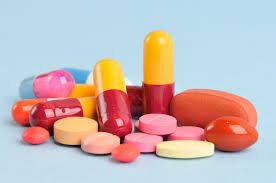
Medication-Assisted Treatment (MAT) Both inpatient and outpatient facilities may offer medications to ease withdrawal, reduce cravings, and stabilize the patient. These medications fall into two categories:
- Full or partial agonists: Bind to opioid receptors in the brain, reducing cravings.
- Antagonists: Block the effects of heroin, preventing users from experiencing the euphoric effects.
Common Medications for Heroin Rehab:
- Methadone: A slow-acting opioid agonist that blocks the effects of heroin and reduces withdrawal symptoms. It’s often tailored to each patient’s needs but is highly regulated and may lead to dependence.
- Buprenorphine: A partial agonist that relieves cravings without the “high.” It can be prescribed for home use and is less likely to be abused than methadone.
- Naltrexone: An opioid antagonist that completely blocks the effects of heroin without causing physical dependence.
Behavioral Therapy and Heroin Recovery Successful recovery often combines medication with therapy, which addresses the mental and emotional aspects of addiction. Therapy helps individuals work through physical and psychological dependence, external influences, and other risk factors that contribute to addiction.
Types of Therapy:
- Psychotherapy: One-on-one sessions with a mental health professional, addressing emotional and external reasons for addiction.
- Cognitive Behavioral Therapy (CBT): Focuses on changing negative thought patterns and replacing them with healthier habits.
- Contingency Management: Uses tangible rewards to reinforce positive behaviors, such as remaining drug-free.
- Dialectical Behavior Therapy (DBT): Helps patients develop mindfulness and emotional regulation skills to manage self-destructive behavior.
Combining these treatments can significantly improve the chances of a successful recovery from heroin addiction.
12-Step Programs for Heroin Recovery
Used widely by rehabilitation centers and support groups, 12-step therapy is an approach to substance abuse that motivates users to acknowledge their problems and join a therapy program. The most well-known user of a 12-step program is Narcotics Anonymous (NA), but it has been incorporated into many different types of in and outpatient treatments.
People recovering from heroin addiction often find solace in attending support groups and meetings. Many groups, including Narcotics Anonymous (NA), offer milestone incentives that encourage sobriety and allow manageable goals to be set.